Weapons
A five-weapon arsenal is a worldbuilding decision, not a content gap.
Five types of weapon, all but one produced locally behind Zaslon, because the anomaly zone will not tolerate moving metal in quantity. Steam publishes no names, damage or ammunition data for any of them.
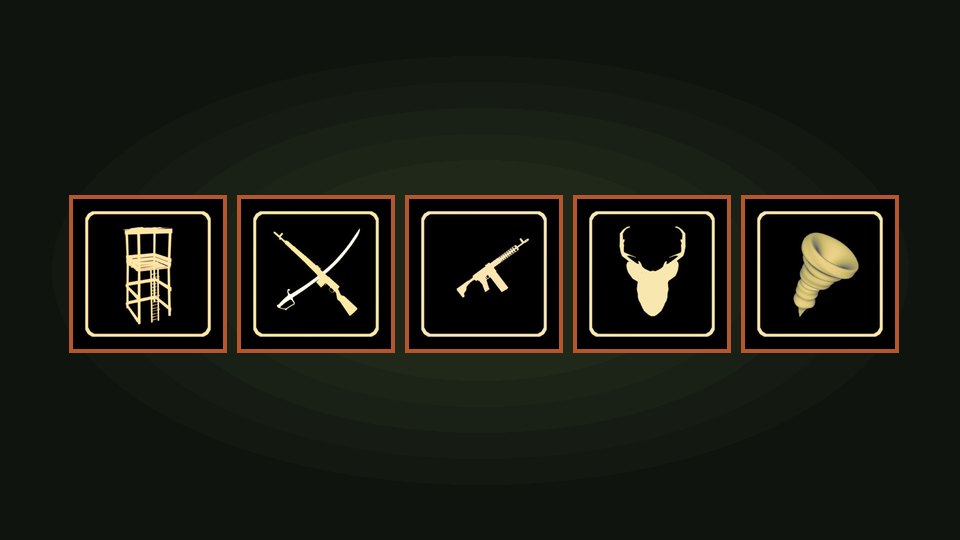
The Hollow ships with five types of weapon. That is the entire arsenal, and it is a deliberate piece of worldbuilding rather than a content gap: everything except one of them is manufactured behind Zaslon by the people living there, using human labour, because the anomaly zone will not tolerate moving metal in quantity.
What is actually published
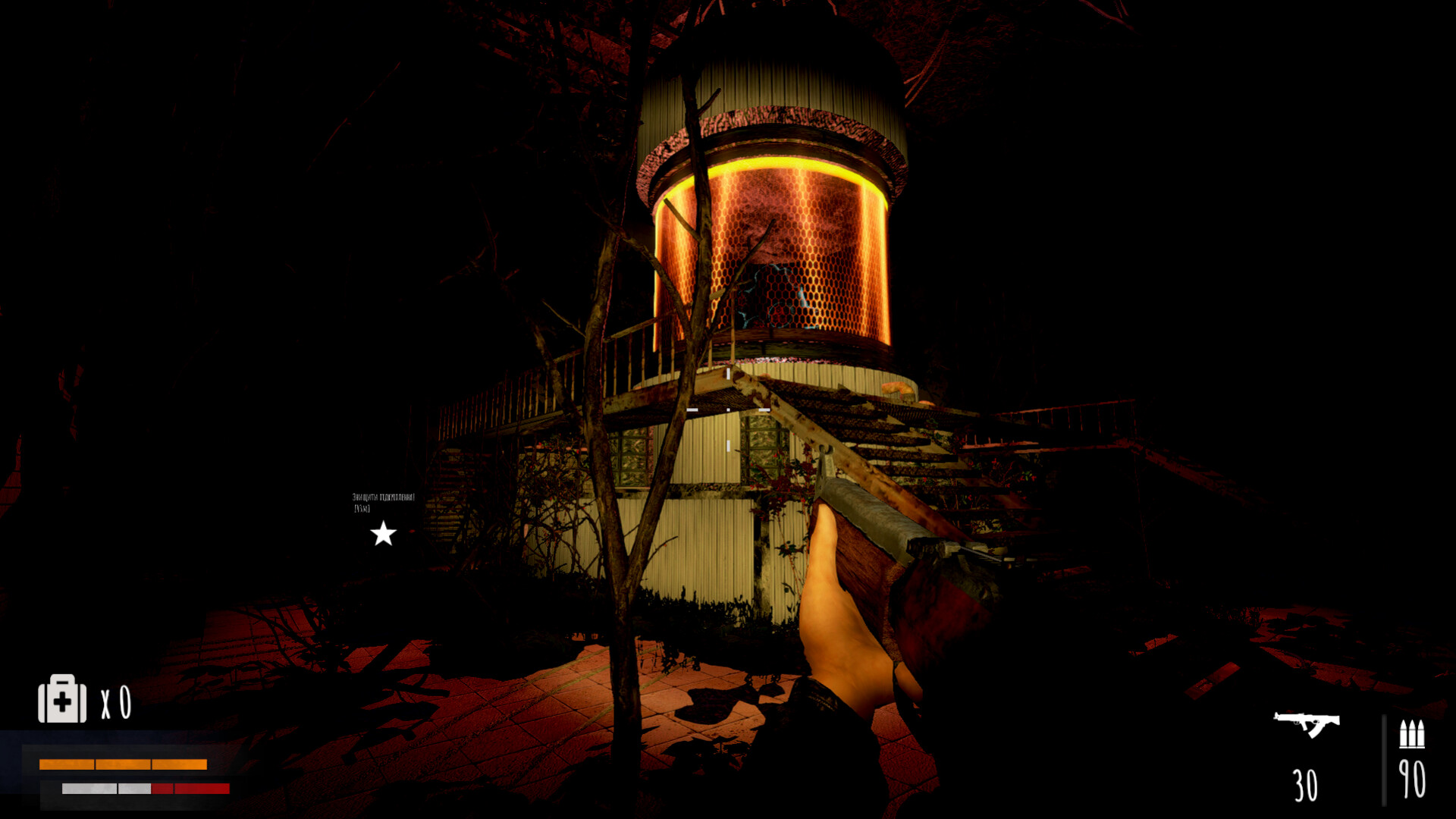
The official store page is precise about three things and silent about everything else. It states that you can choose from five types, that all of them are the product of the people living behind Zaslon, and that all but one are locally produced. It does not name them, does not list damage, rate of fire, magazine size or ammunition types, and none of the twenty official announcements since launch adds a weapon stat.
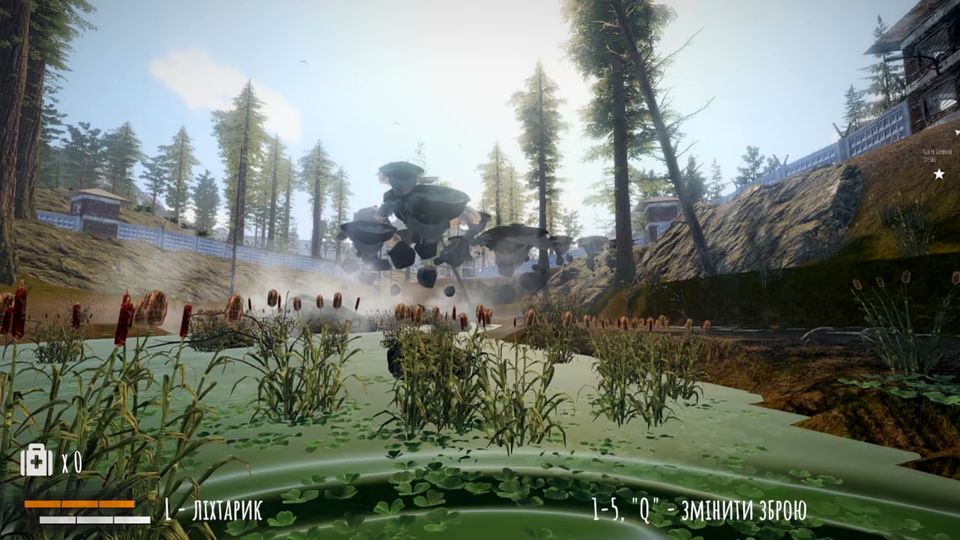
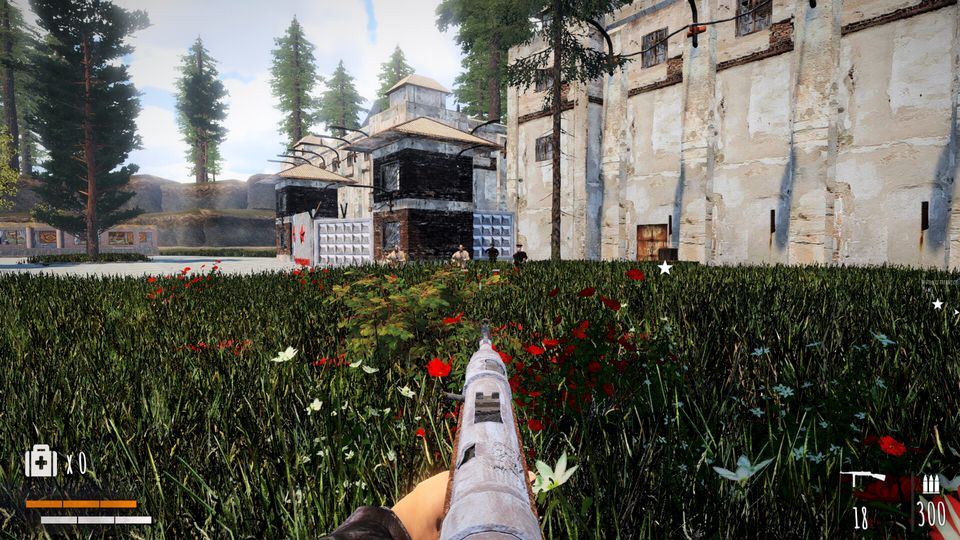
That matters for how you read any guide to this game, including this one: there is no published stat table to compare, so any page quoting damage numbers is inventing them. What can be described is the design logic and the handling behaviour you can see in official footage.
| Fact | Detail | Source |
|---|---|---|
| Number of types | Five | Steam store page |
| Origin | All but one made behind Zaslon | Steam store page |
| Why local | The zone does not allow carrying much metal; the region ran on human labour | Steam store page |
| Published stats | None | Store page and all 20 announcements |
| Selection | Weapon wheel bound to Q in the current build | Player report + patch history |
| Reload prompt | On-screen R prompt | Official store screenshot |
| Ammunition system | No published breakdown | — |
Reading the arsenal as worldbuilding
The one imported weapon is the exception that proves the rule. Zaslon held the Soviet Union's best scientists alongside its most dangerous prisoners, and the store page is explicit that this is why local manufacturing exists at all: the camp held "the cream of the occupied nations", so the skills were in the room even when the materials were not.
Practically, that means the arsenal is short, distinctive and built around the environment rather than around a progression ladder. You are not unlocking better guns; you are carrying what a besieged settlement could make. Shotguns appear in official screenshots at close range against human targets, which fits a game whose fights happen in villages, doorways and treelines rather than open fields.
Handling notes that follow from the design
- Close quarters favour the heavier options. Fog, night and interiors are the standard encounter setting; engagement distances are short by default.
- The wheel is your friend until it is not. Q opens the weapon wheel, and there is a known bug where it stops responding after extended play — the fix in the discussion thread was reloading the game.
- Sensitivity is adjustable in-game since the 9 June 2026 update, which added separate mouse and gamepad sliders. Before that, players were lowering their system pointer speed to compensate, which is a bad way to aim.
- Controller support is complete, not partial, so the same arsenal is playable on a pad without losing functions.
- Do not expect a gunsmith. No attachments, no scopes, no mods are described anywhere in official material.
The metal rule, and why it is not a mechanic you fight
The anomaly zone's refusal of metal is stated as a setting fact, not as an inventory limit you manage: it is the reason the region was built by hand and the reason the local weapons are what they are. If you are looking for a place to file that in your head, file it next to the physics anomalies on the anomalies page rather than next to a carrying-capacity stat.
For the loop the arsenal serves — arrive, talk, fight, survive the night — see how to play. If you are still deciding whether to buy at $7.50, the price and release page has the store facts in one table.